
Finley Patterson · 25 October 2026
How Platform Architecture Modifications Alter Discovery Routes for Collectors Pursuing Scarce Items in Specialized Retail Environments
Platform architecture adjustments in niche retail systems have shifted the ways collectors locate rare items through changes in indexing structures, recommendation engines, and database query optimizations. These modifications often involve updates to how metadata gets processed and how user queries connect to inventory databases, which in turn influences the sequence of results presented during searches for specialized goods like vintage coins, limited-edition prints, or antique ephemera.
Core Components of Architecture in Collector-Focused Platforms
Architecture in these environments typically includes layered components such as front-end interfaces, middleware for query handling, and backend storage that manages item attributes including provenance details, edition sizes, and condition grades. Researchers at academic institutions have documented how alterations to these layers can reroute discovery by prioritizing certain attributes over others, for instance elevating items with verified chain-of-custody records ahead of those lacking such documentation.
Data from industry analyses indicate that when platforms adjust their indexing algorithms to incorporate real-time stock synchronization, collectors encounter fewer dead-end paths where listed items appear unavailable. This synchronization often relies on API integrations between supplier feeds and central catalogs, which reduces latency in result generation and allows searches to surface newly acquired rarities more promptly.
Effects of Query Optimization Tweaks on Search Sequences
Adjustments to query optimization routines reshape the order in which results appear by incorporating factors like cross-referenced sales history and community tagging patterns. Observers note that platforms implementing enhanced semantic search capabilities, which parse natural language descriptions more effectively, enable users to locate items through descriptive phrases rather than exact model numbers alone.
Studies conducted by research groups in multiple regions reveal that such changes frequently expand the visibility of lesser-known listings, as the system begins weighting contextual associations between items. For example, a search for a particular series of trading cards might now surface related accessories or display cases that share thematic links, thereby extending the discovery path beyond the initial query scope.
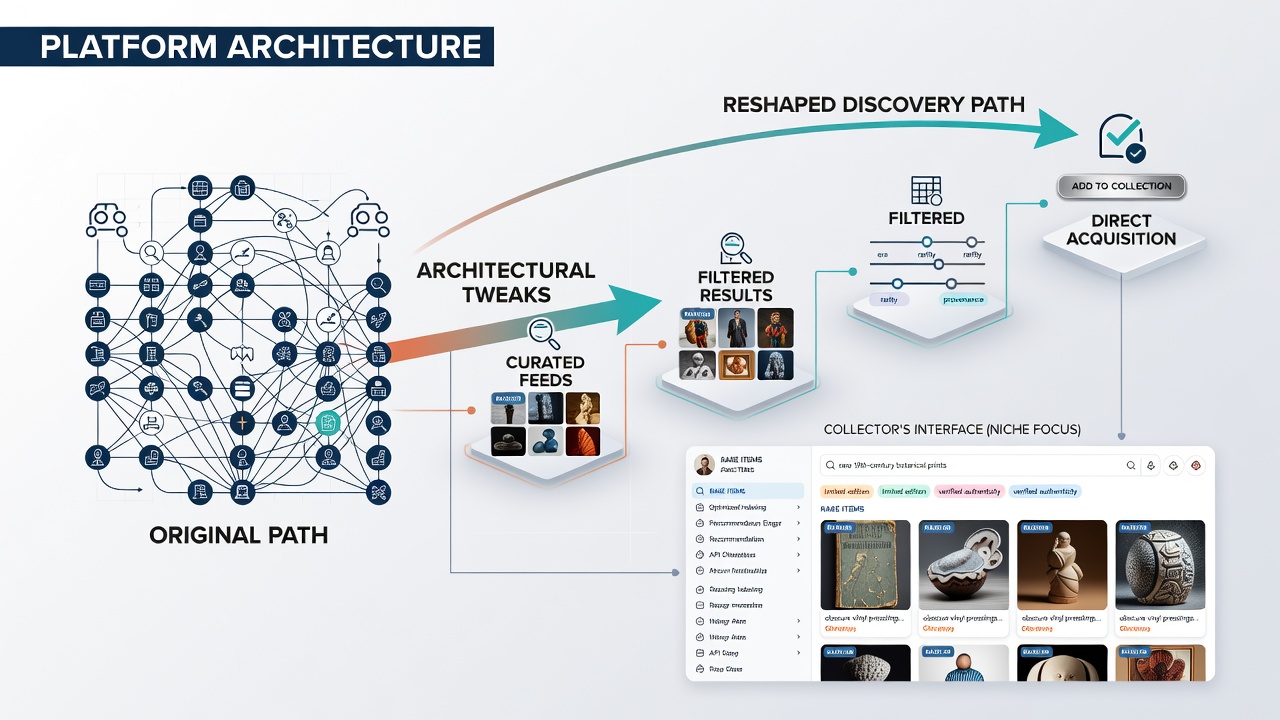
According to reports issued by the Organisation for Economic Co-operation and Development in late 2025, retail platforms that refined their caching mechanisms saw measurable shifts in how collectors progressed through result pages. These refinements allowed frequently accessed item clusters to load faster, which in turn encouraged longer browsing sessions focused on interconnected rare goods.
Role of Recommendation Engine Updates in Path Diversification
Recommendation engines undergo periodic revisions that integrate additional data points such as collector location preferences and historical purchase correlations. Those who have examined these systems find that revised engines often introduce lateral discovery opportunities, where one item suggestion leads to another through shared attributes like material composition or historical period.
Figures released by the Australian Competition and Consumer Commission highlight instances where architecture updates improved the accuracy of personalized suggestions in specialized marketplaces. Collectors reported encountering items aligned with their established interests through pathways that previously remained hidden due to rigid categorization rules.
In October 2026, several platforms introduced modular architecture frameworks that permitted granular control over discovery filters. These frameworks enabled operators to test variations in result ranking without full system overhauls, resulting in documented increases in the surfacing of regionally sourced rare artifacts.
Database Schema Changes and Inventory Visibility
Schema modifications within backend databases affect how item relationships get stored and retrieved, particularly when dealing with multi-variant collectibles that share base models but differ in subtle details. Experts have observed that normalized schemas reduce duplication errors while allowing queries to traverse variant hierarchies more fluidly, which shortens the time between initial search and item identification.
Evidence from platform performance logs shows that these schema adjustments frequently correlate with higher engagement rates among users seeking items in constrained categories. The process involves mapping legacy data fields to new relational structures, ensuring that provenance information travels alongside core descriptors during every query execution.
Conclusion
Platform architecture tweaks continue to influence discovery paths through targeted refinements in indexing, recommendation logic, and data handling protocols. Collectors in niche retail spaces encounter evolving sequences of results that reflect these underlying technical modifications, with documented patterns emerging from systematic reviews of system performance across various implementations. Ongoing developments in October 2026 and beyond suggest further evolution in how such systems connect users to scarce items through increasingly interconnected pathways.